
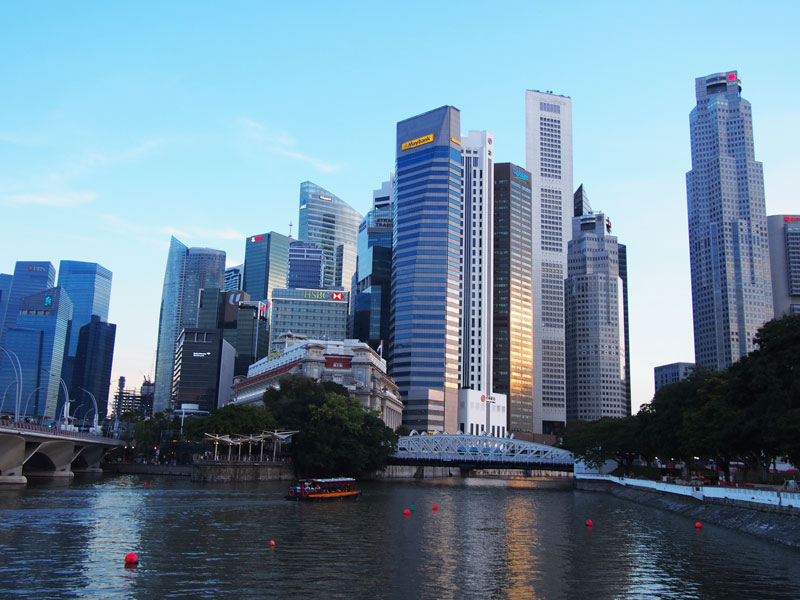
The amazing thing about traveling is that we learn so much about different cultures. Whether its learning about a new fruit, finding a great new, healthy dish or learning to linger over our meals we have learned so much from our travels.
To help us learn about Singapore’s food culture, we reached out to Vanessa from The Travelling Dietitian, a dietitian living and working in Singapore to find out about the food culture and how we can use the food habits in Singapore to make us a little bit healthier!
Q: You are originally from Australia, how did you find your way to Singapore?
A: I left Australia in 2003 to go and work in the UK for 2 years and I’m still making my way back! I met my husband in the UK and after 4 years of working there, we moved to India with his work. We spent 3 incredible years in Bangalore and Mumbai until he was posted to Singapore in 2010. We love living in Singapore and always discover new little gems in our current home country.
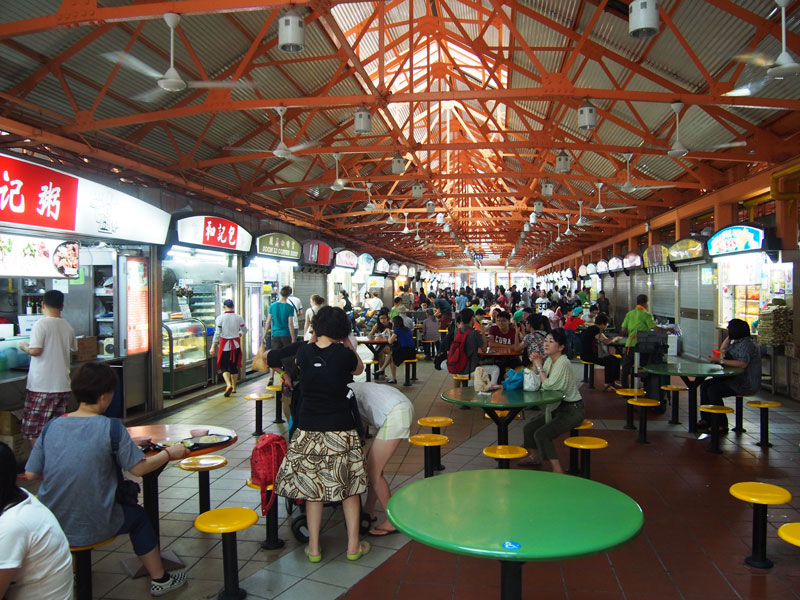
Q: Hawker fare seems to be a deeply entrenched part of Singaporean food culture. What is hawker fare and what does it mean to Singaporeans? What are the nutrition implications of hawker fare?
A: Yes, it certainly is. Many families eat breakfast, lunch and dinner at hawker centres or kopi tiams (local coffee shops) as it is affordable and cooked fresh. Hawker food includes a huge variety of dishes, originating from Singapore, Malaysia, India, Indonesia and many other Asian countries. Hawker food plays an important role in Singapore’s culture and they are working very hard to keep this food culture alive.
To be honest, most hawker food is not usually healthy. Dishes are often high in salt and saturated fat, low in vegetables and high in carbs. There are definitely some healthy options available and the Health Promotion Board are working hard at promoting healthy hawker food and offer a Healthier Choice logo for healthier options.
Q: How do fruits, vegetables, legumes and whole grains fit into the Singaporean diet?
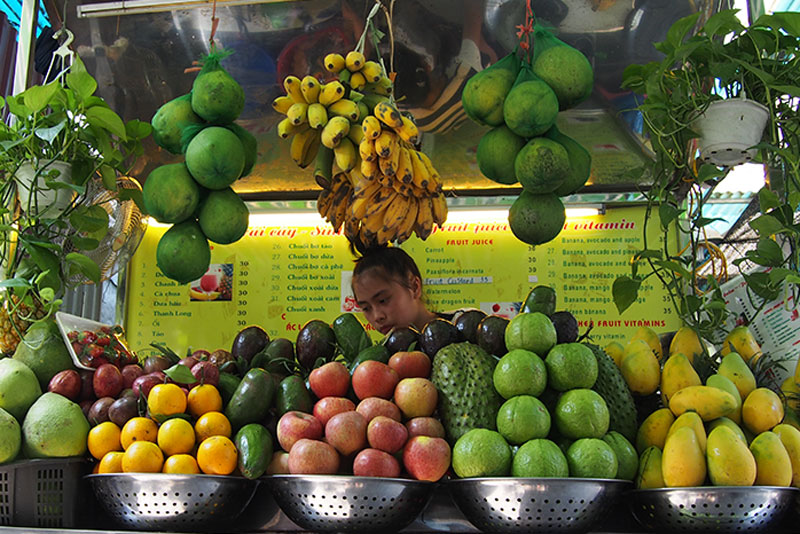
A: Minimally!! Fresh fruit is very easy to find and is usually eaten at the end of a meal. Fresh fruit juices are also available at most hawker centres. Vegetables are a little harder to find. Some stalls, such as Yong Tau Foo, offer a wide variety of vegetables you can choose from but others offer very little in the way of vegetables and if they do, they are sometimes accompanied by a lot of oil or cooked for a long time. Legumes can be found at Indian stalls in the form of dhal or chickpeas. Whole grains are also hard to find, although more and more stalls now offer brown beehoon and there is a stall at a few hawker centre called Thunder Tea Rice, which offers brown rice.
Q: What are some of the healthiest traditional dishes? Healthiest street food options?
Yong Tau Foo
Fish head soup
Thunder Tea Rice
Popiah
Q: What are some of the unhealthier dishes to steer clear of? Any foods that may be perceived as healthy that are not?
Char Kway Teow
Chicken Rice
Drinks – many drinks are full of sugar. Eg. bubble tea, iced tea, fruit juices, canned green tea

Q: Any healthy aspects that are part of Singapore’s food culture that the rest of the world could adopt to eat healthier?
A: Meals are usually followed by fruit which is good practice. I also think Singaporean’s attitude to food is great – they have a really positive relationship with food and food is a huge part of their family time. It may not always be the healthiest food but the love and passion they have for it is admirable!
Q: What food related health trends are you seeing in Singapore these days?
A: Singaporeans are keen on quick fixes and foods that will ‘cure’ illness or ailments. As such, they love ‘hyped-up superfoods’ such as kale and goji berries. Juice cleanses are big here at the moment and people seem to be prepared to spend plenty of money on these where the juice is delivered to your home. Paleo is also becoming popular and there are even a couple of Paleo hawker stalls on the island!
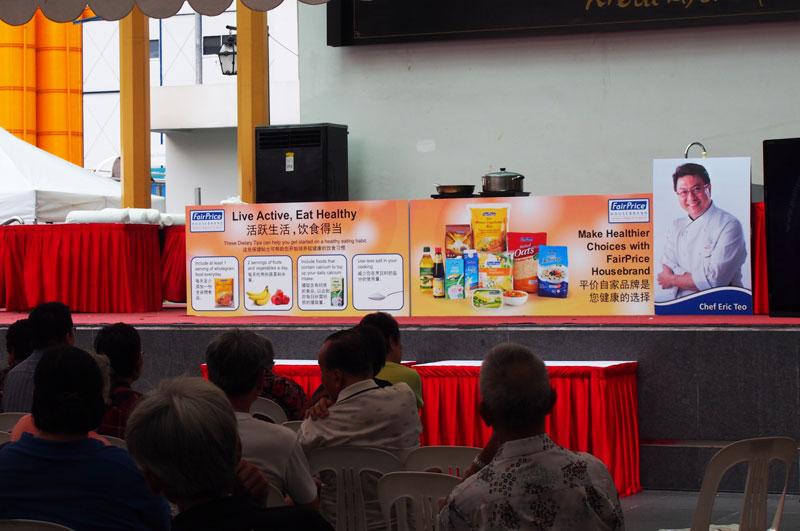
Q: Your business, The Travelling Dietitian, provides nutrition consultation services for individuals, families and corporations. What inspired you to become a dietitian and how did your business come about?
A: I decided when I was 15 that I wanted to become a dietitian after my father had triple bypass surgery and my family decided to change our diet for the better. Since then I have always been fascinated by food and how it influences our lives in so many ways. My favourite part of travelling is sampling different food around the world. I am also really interested in how our relationship with food influences our food choices and love helping people to improve this relationship.
I first started up a private practice in India and then created The Travelling Dietitian after a year of living in Singapore. As Singapore is reasonably small, I decided it was practical to be able to travel to my client’s homes in order to make it as easy as possible to help them put my advice into practice.
Thanks so much, Vanessa! We learned so much and appreciate you helping us out!