
What Are Essential Oils?
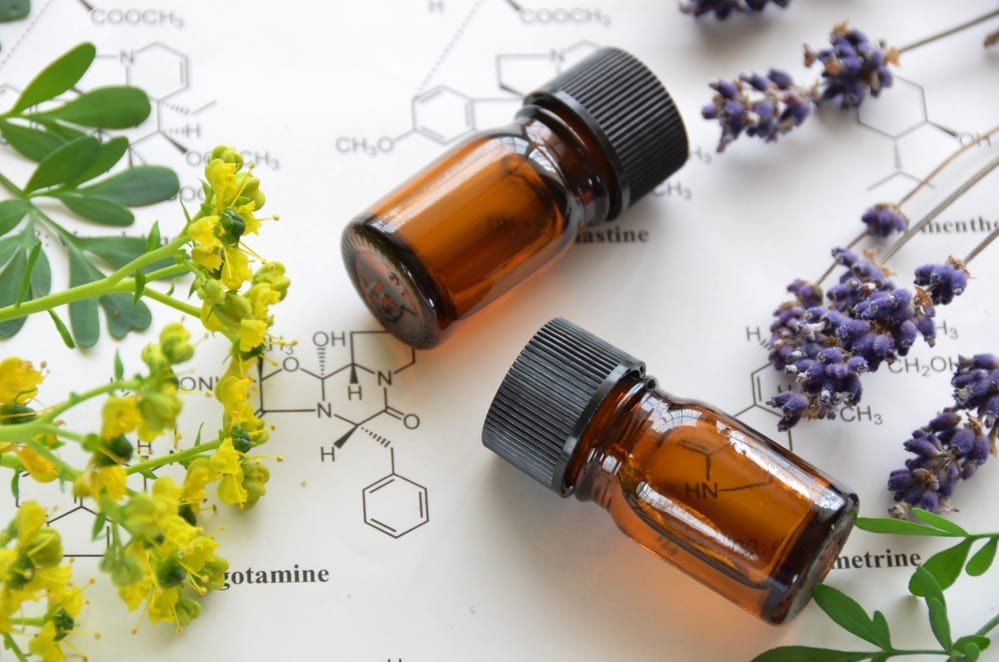
Essential oils are derived from plants and concentrated into a liquid oil form. They contain the chemical properties of the plant they come from and can be used for aromatic or wellness purposes. They are very versatile and can be used in a variety of ways. They can treat physical ailments, help to relax the body, treat anxiety or stress and even be used to make natural cleaning products.
Do Essential Oils Really Work?
Recently it has been proven that lavender oil can increase your pain tolerance and ginger oil can relieve nausea post surgery. Others have shown that lemon balm can ease agitation among severe dementia sufferers.
Research from the University of Vienna’s Gerhard Buchbauer suggests some essential oils can activate your central nervous system that can increase in your attention, sharpen your thinking and improve your sleep patterns.
While there have been studies that have shown people using essential oils have greatly benefitted from their use, it has yet to be decided if the benefits come from the use of the oils or a placebo effect, but either way, they are a natural remedy and many who have used them have experienced benefits.
How To Use Essential Oils
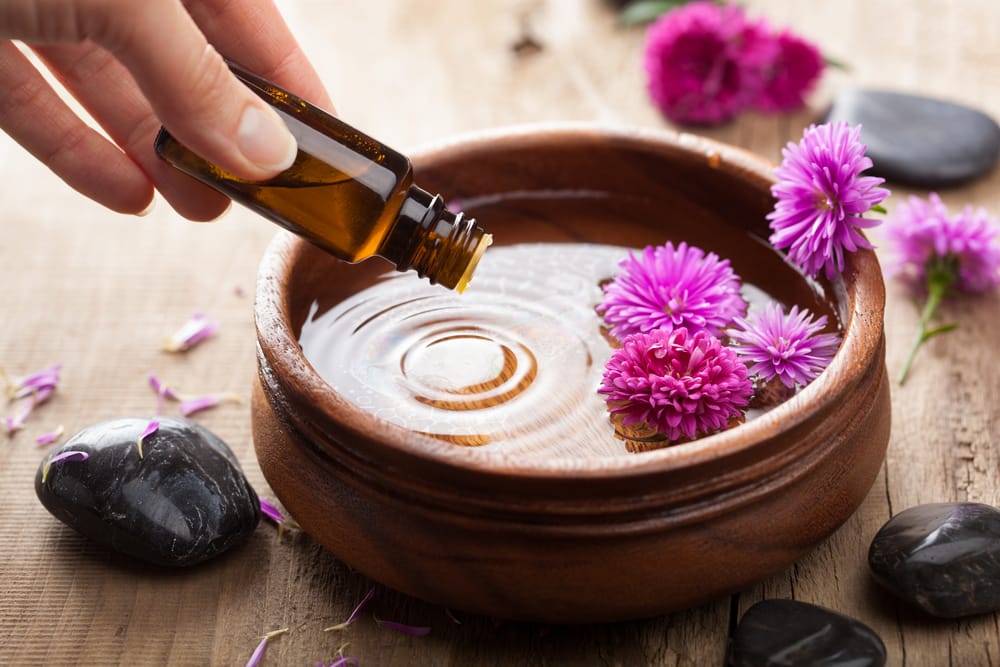
There are different ways to use essential oils, and some oils are most effective used in certain ways. Below is a review of the different methods you can use essential oils, and some precautions for each method:
Ingestion
Ingestion can be more dangerous than other ways of using essential oils and therefore it is advisable that you do so with the guidance of a certified aromatherapist.
Every essential oil will need to be diluted correctly to use. By diluting the oils they enter the bloodstream more slowly, which can help with reducing irritation and sensitization (an allergic style reaction to the oils), particularly if you use them frequently this can be an issue.
According to Jane Buckle, PhD, RN, the safest methods that are used clinically for oral ingestion are:
- Gelatin Capsules – filled with 20% essential oil diluted in vegetable oil.
- Honey – mix 1-2 drops essential oil with 1 tsp. of honey, add warm water, and drink.
- Enteric-Coated Gelatin Capsules – these do not release the essential oil until they are in the small intestine, making the oil more effective.
Aroma therapy
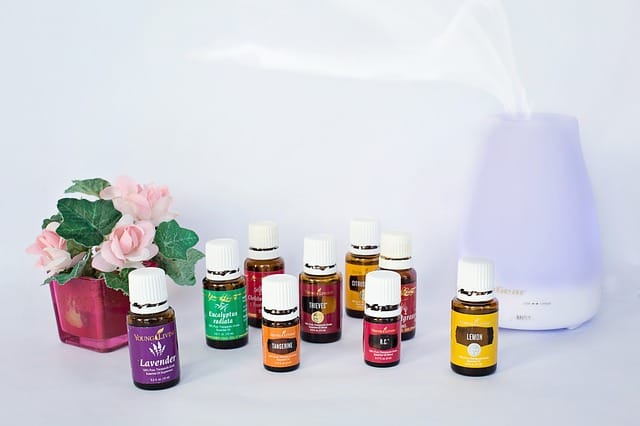
We create powerful connections between scent and our emotions and memories. Diffusing essential oils is a simple but effective way to access those connections.
Diffuser
This a device that that you can put essential oils in, sometimes with a carrier oil or water. This can be an excellent way to scent a room, and can be used to help sleep or relaxation, for instance, if you used lavender oil. Essential oils should never be directly burned as the chemical structure is dramatically changed with incineration.
Dry Evaporation
Place several drops of essential oil onto cotton buds, balls or even a tissue, and then allowed to evaporate into the air. For a more intense dose you could inhale the oils from the tissue or cotton. For a milder dose put cotton balls with oil in your vicinity and this will give you a more constant exposure to the oils and their effects.
Topically
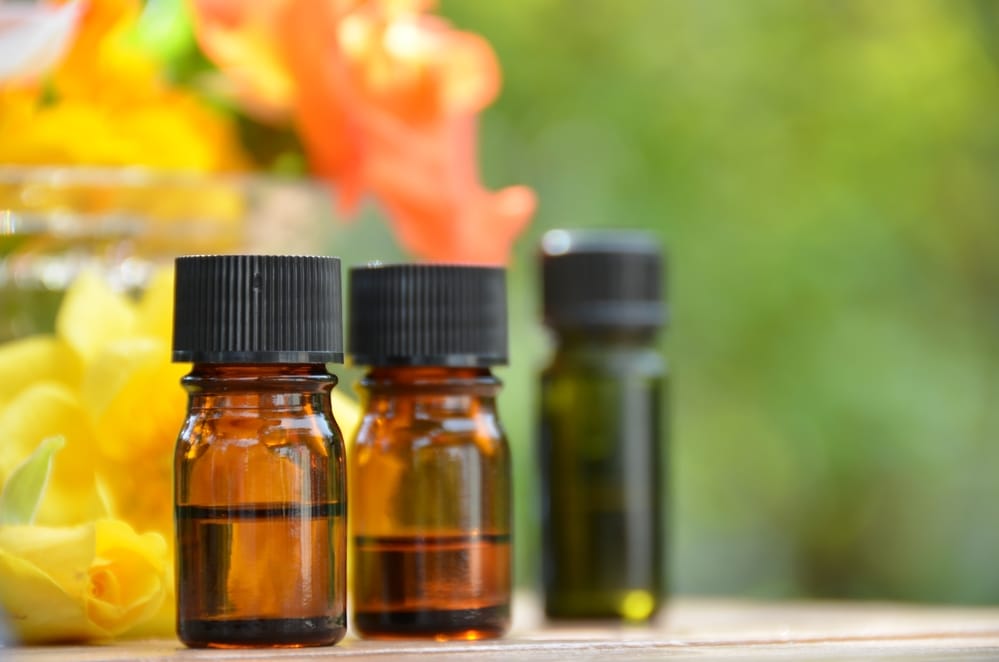
Essential oils can be applied directly to the skin in order to ease a variety of ailments and issues. Often however, they need to be diluted with a carrier oil in order to safely apply them to your skin directly.
As a rule of thumb, essential oils should be diluted in a carrier substance (vegetable or nut oil, or water) at no greater concentration than 3-5%.
That means if you have one teaspoon of carrier, you would add 3 drops of pure essential oil. This would make a 3% solution that could be used on a portion of the body.
For massage or for application over large areas of the body, a 1% solution (meaning, one drop of essential oil in one teaspoon of carrier) is generally a safe concentration.
For children, using a 0.25% solution is recommended.
It is important to note that if you use water as a carrier for the essential oils you must shake the solution well before applying it directly to the skin.
Carrier oils are readily available at your local natural food store, or a store that specialises in natural bath and body products. Organic and cold-pressed oils are most preferable. Examples include sweet almond oil, apricot kernel oil, grapeseed oil, jojoba oil, or avocado oil.
Personal Care Products
When using essential oils in skincare, bath, and body products, they are infused with lotions and creams to allow you to naturally experience the wonderful properties of the herbs that produce these oils.
Be wary when buying personal care products that appear to contain essential oils though. Many cheap products claim to use “lavender” or “chamomile” but these are the cheaper, synthetic versions of the oils which have none of the natural benefits.
Make sure you find an all-natural product that contains the pure natural form of the essential oil it claims to.
Essential Oil Uses
There are dozens of uses for essential oils. Below we’ve listed some of the most popular uses, but the properties and benefits are almost limitless.
Skin/beauty
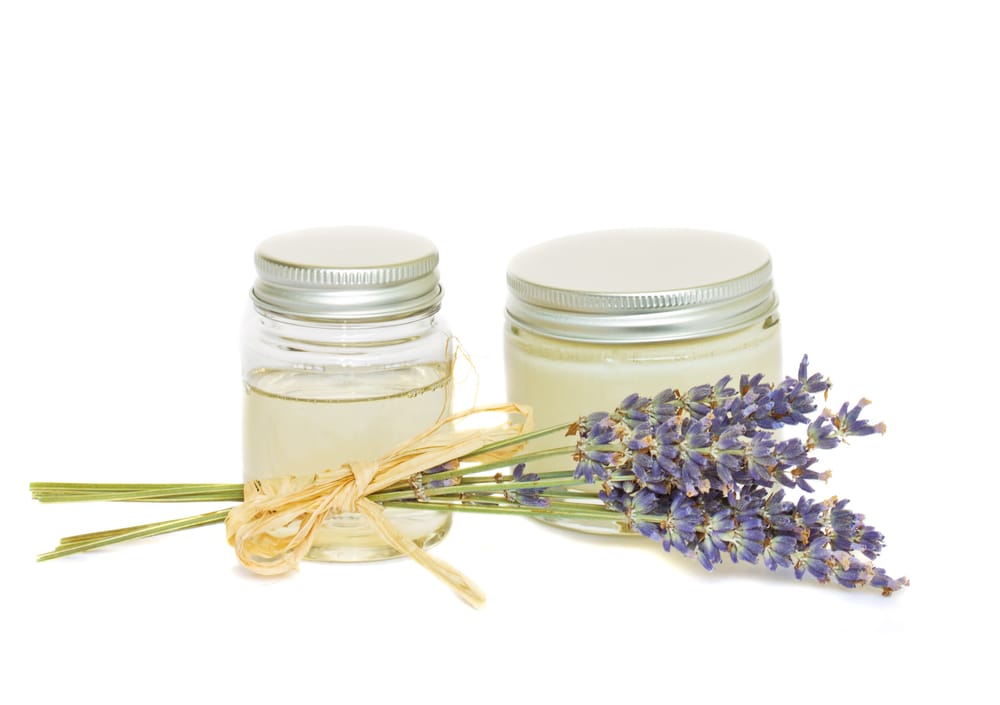
Essential oils are perfect to be used in a regular skin and beauty regime. They can help to reduce wrinkles, or to keep skin looking young and healthy. They can also be beneficial to your hair and nails.
Tea tree can be used in order to treat acne and pimples, or as a mild analgesic. It can also bring the relief of pain and is able to combat infection in minor ailments like calluses, cuts and boils.
Rosemary is a great oil for strengthening and volumizing hair, as well as toning the skin.
Frankincense has rejuvenating properties that make it a must have in the range of essential oils available to use. It is great for improving skin tone, treating aging skin or for reducing scar tissue.
Hair growth
Long have essential oils been used in hair products and it is common to find oils such as lavender, chamomile, rosemary, tea tree oil and many other essential oils in your natural shampoos and conditioners.
These oils, among others, are known to positively support the health of the scalp and hair follicles.
Cedarwood oil, while primarily used for treating dandruff, is a great tonic oil for overall hair health. Its reputation truly precedes itself in promoting new hair growth and reducing hair loss. It will often be the first oil that is suggested when a patient has hair loss, as a small drop on a bald spot will promote new hair growth in the area.
Bug spray
There are many essential oils, known for being excellent natural insect repellents. Here are just some of them: Citronella, Clove, Lemongrass, Cedarwood, Rosemary, Tea Tree, Eucalyptus, Cedar, Lavender, Peppermint, Basil, Rose, Lemon, Orange, Pine.
Using a 4 oz clean spray bottle, fill it with 2 ounces of distilled or boiled water. Add 1 ounce of witch hazel and about 50 to 75 drops of essential oils, any combination of the above oils should work.
You just want be sure to keep the total percentage of essential oils under 15% for safety. Shake the mixture each time, which is necessary as the essential oils do not dissolve in the water and will therefore separate.
Cleaning
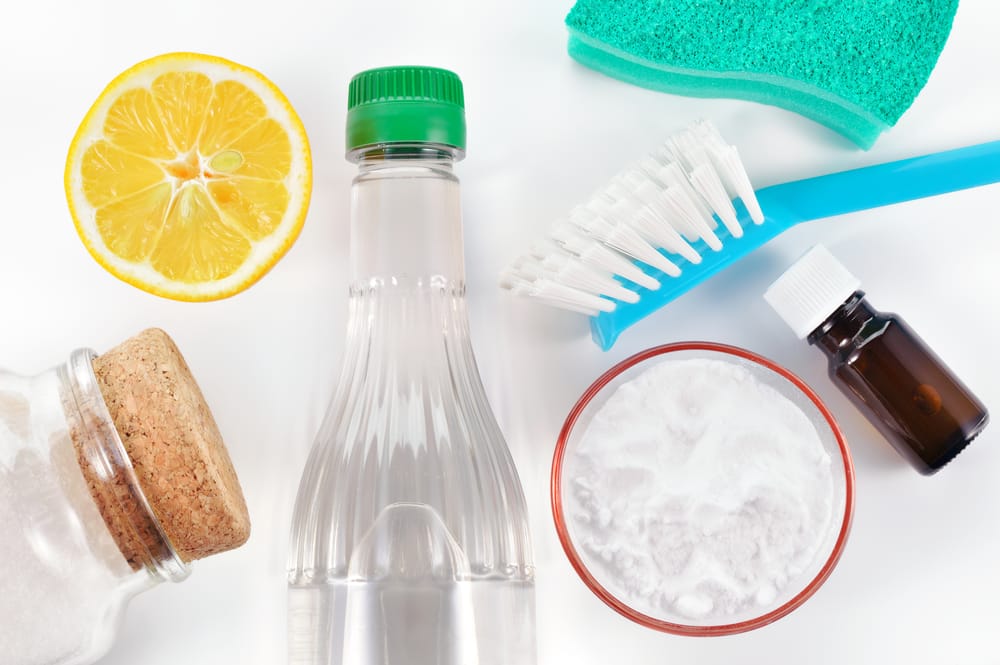
Essential oils are naturally antibacterial, great smelling options to use in homemade cleaning agents. By adding the oils to a laundry regime, or to sanitize the kitchen, to remove mold and freshen things up. There are no fumes with a natural product such as essential oils. Lemon, tea-tree and lavender will clean and leave your house smelling amazing.
Lemon is a great oil to use in cleaning. It has a clean scent and is a powerhouse in home cleaning. It is both naturally antibacterial and antiviral and can be used to degrease stubborn stains and help to freshen the air.
First aid
There are a great many oils that can be used in an emergency, but not everyone uses essential oils in their home. There are however a few oils it might be useful to keep in a first aid kit. They include:
- Lavender – this would be our number one oil for a first aid kit as it helps with so many first aid situations, from headaches, to stings, to burns to bruising.
- Tea-Tree – is invaluable in its antimicrobial properties against fungi, viruses and bacteria.
- Helichrysum – this essential oil can be used for swelling, sprains and bruising. Its chemical makeup of ketone-like components make it a useful oil for severe bruising and in an emergency situation, applied with a cold compress it can be used to stem blood flow temporarily.
Weight loss
In this day and age, everyone wants to learn how to burn fat quickly and easily and in doing so, losing weight effectively. Essential oils can be great at this as well, and being natural are excellent at aiding weight loss.
You aren’t going to start using essential oils and drop the pounds like no one’s business. That’s not how they work and they are not a miracle cure. But they support your body while you are working out and eating right and can help to add a few extra pounds of weight loss. In doing so they are a health supplement.
Grapefruit oil is one such essential oil that works with your body and helps to activate the enzymes that help your body to break down fat. It is well known that grapefruit can help to benefit weight loss greatly, the oil itself actually comes from peel and so eating grapefruits won’t have the same effect. The peel is very high in certain compounds like D-limonene and helps support the metabolism as well as the cleansing and drainage of your lymphatic glands.
Sleep

Essential oils can help enhance your sleep if you suspect that your sleep quality or quantity are lacking.
Lavender has long been used to ease tension and encourage relaxation. It relieves stress, acts as an antidepressant, and has sedative properties.
Both Roman Chamomile and German Chamomile essential oils are calming, soothing and relaxing in both tea and aromatherapy forms.
It is believed to calm the nerves, reduce anxiety, and ease the stomach. Both promote a good night’s sleep, especially when combined with lavender.
However, you must be careful with Chamomile; it can cause skin rashes in some people. It’s best to do a patch test before prolonged use.
Anxiety
Even though depression and anxiety can’t be cured using essential oils, they can be managed using them and their are benefits to using the oils to help reduce stress and discomfort that can aggravate symptoms.
There are many essential oils that have been shown to reduce stress and help relax the body and mind. As such it can be important to find the one that’s right for you. Scents can be personal and differ from person to person. Therefore what works for one may not for another or even make it worse if they don’t smell right.
There are several that you may want to try first:
- Bergamot – has a refreshing scent that uplifts the spirit and helps with feelings of pain, anxiety, depression, and sadness.
- Basil – uplifting, refreshing scent that works against depression, fatigue, and anxiety.
- Clary Sage – can help with insomnia, anxiety, and depression.
Headaches
Unlike common, over the counter pain relievers that are used to target headaches and migraines, essential oils can be a more effective and safer way to treat the issue. They can provide relief, aid your blood circulation and reduce your stress. Not only that they can have a ton of health benefits that can boost your immune system, as opposed to regular painkillers that can affect your vital organs
Peppermint oil uses and benefits include its long-lasting cooling effect on the skin, ability to inhibit muscle contractions and role in stimulating blood flow in the forehead when applied topically. Applying peppermint essential oil topically across the forehead and on the temples effectively alleviates a tension headache.
Colds
For centuries, essential oils have been used to help fight the symptoms of the common cold. They can be added to bathwater, used in a diffuser to breathe in the air, put in a tissue to breathe from or even applied topically to certain areas in order to ease the symptoms. .
By inhaling essential oils such as tea tree oil from bathwater, a tissue or through a diffuser it can help you fight the congestion and the resulting discomfort caused by the cold or the flu.
Peppermint essential oil (Mentha piperita) has antiseptic and anti-viral properties and can be useful as an expectorant. Use peppermint oil in a steam inhaler, but not where babies or young children are present.
Energy
There are two types of basil essential oil, exotic basil and French (or sweet) basil. Although they have similar actions, only French basil should be used in aromatherapy, since it is much safer and has a better scent. Basil oil stimulates the adrenal glands, relieves mental fatigue, and clears the mind.
Ginger essential oil has an invigorating effect on the nerves, and is especially useful if you’re short on sleep. It blends well with lime.
Depression
Relying on essentials oils to treat something like depression isn’t advisable. It is however advisable to use essential oils to help relax and soothe your body and mind. Aromatherapy as part of larger treatment plan can be a great way to treat the symptoms of depression. It has been shown to boost mood and relaxation.
While more research will be needed to see the true scale of essential oil effectiveness as part of a depression treatment program, there is some evidence to suggest that it might have benefits. For example, a review found that aromatherapy might help relieve depressive symptoms.
The following essential oils might be helpful:
- jasmine
- sandalwood
- ylang-ylang
- clary sage
- basil
- bergamot
Acne
In order to get the clear skin you crave, keeping essential oils in your medicine cabinet is the best way forward.
Oregano in its essential oil form is excellent for getting rid of pimples. The natural antiseptic and antibacterial properties of oregano oil make it handy for treating zits. Just be sure to dilute the oil before applying it to your sin. Mix together equal parts oregano oil and a carrier oil, like jojoba, olive or coconut oil. Then, dab the diluted mixture onto the trouble spot regularly until your skin clears up.
Inflammation
There are a number of essential oils that can provide a natural and effective remedy to inflammation. Rosemary has a restorative property and has long been used to treat this sort of ailment. To use it as an anti-inflammatory agent it can be employed as a massage oil, to help treat muscular pain or rheumatism. Adding a couple of drops into a hot bath can also help to combat headaches, muscular pain and joint pain and inflammation.
Eucalyptus oil is another such essential oil has decongestant and antibacterial properties as well as being useful to treat respiratory problems, infections and even the symptoms of asthma. Not only does eucalyptus have these great properties but it can also be used to treat issues using its anti-inflammatory and analgesic properties. These make it great in order to treat muscle and joint issues. It can be applied directly to the issue or be mixed with a carrier oil.
Best Essential Oils: Uses, Benefits + Recipes
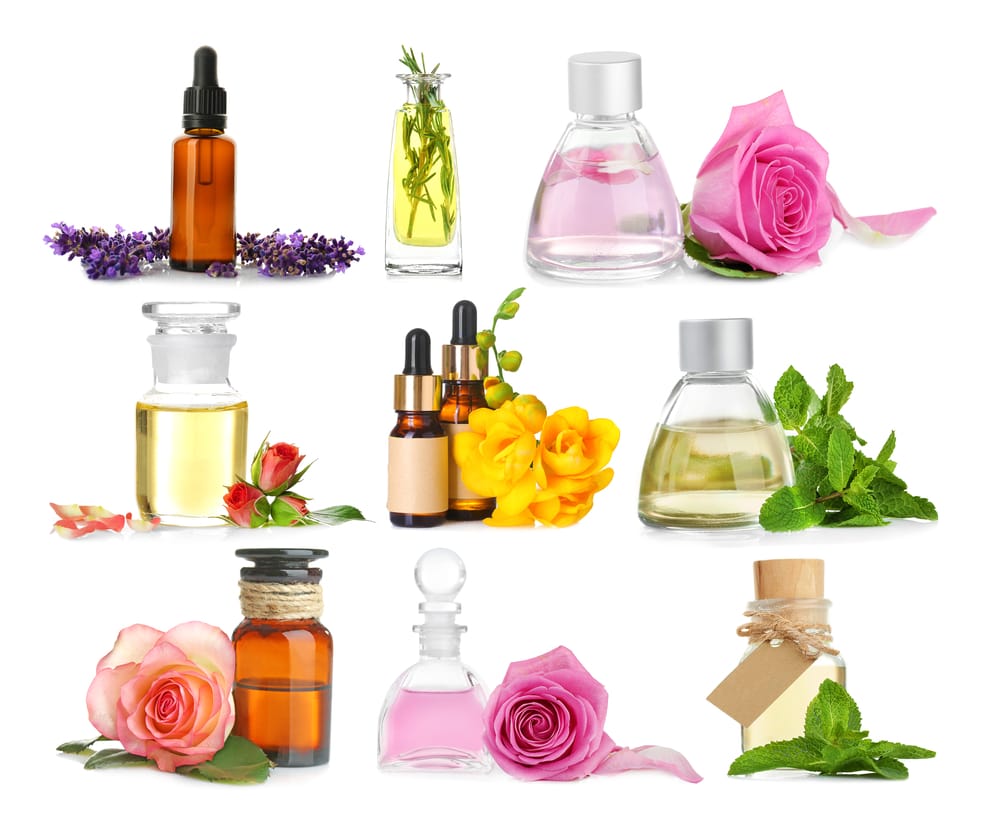
Basil
Basil Essential Oil is an energizing oil and is best used during the morning and daytime hours. The health benefits of basil essential oil include its ability to treat motion sickness, indigestion, and respiratory problems. Basil oil is also a good source of Vitamin A, magnesium, potassium, iron, and calcium.
Uses:
- Improves Digestion
- Relieves Cold
- Treats Asthma
- Relieves Stress
- Improves Blood Circulation
- Alleviates Pain
- Treats Itching
Bergamot
The health benefits of bergamot essential oil can be attributed to its properties as a deodorant, antibiotic, antiseptic, analgesic, antidepressant and disinfectant substance.
Uses:
- Improves Blood Circulation
- Prevents Infections
- Reduces Pain
- Aids in Digestion
- Eliminates Bad Odors
- Speeds-up Healing
Black Pepper
The health benefits of Black Pepper Essential Oil are due to its properties as a digestive, antibacterial, and antioxidant substance.
Uses:
- Improves Digestion
- Cleans Excretory System
- Reduces Arthritis Pain
- Increases Urination
- Detoxifies Body
- Cures Bacterial Infections
Chamomile
Chamomile is a popular essential oil, widely known for its calming and relaxing properties.
Uses:
- Relieves Depression
- Improves Digestion
- Skin Care
- Relieves Pain
- Tones the Body
Clary Sage
There are a number of incredible things Clary sage can be used for. It is great for your eyes, nervous system, digestion and kidneys. While clary sage doesn’t come cheap, it is worth its weight in gold with the number of health benefits.
Uses:
- Aphrodisiac — While there are no prominent studies confirming it as an aphrodisiac, this is another well-known use of clary sage oil.
- Painkiller — relieves headaches, back pain, muscle stiffness and cramps.
- Antiseptic
- Hair treatment
- Skin health promoter
Clove
Clove is a very versatile and useful essential oil. It is useful for skin care, an an insect repellant and in many other forms around the house. It is also used as a relief for pain and inflammation in teeth. There are a few uses for clove oil laid out below.
Uses:
- Treats acne
- Insect repellent
- Household cleaner
Cypress
This powerful essential oil is valued because of its ability to fight infections, aid the respiratory system, remove toxins from the body, and work as stimulate that relieves nervousness and anxiety.
Uses:
- Tightens Skin
- Heals Wounds
- Promotes Sweating
- Eliminates Odors
- Maintains Liver Health
- Relieves Stress
Eucalyptus
This pungent essential is common in cold and flu remedies, but has a great scent and greater potential.
Uses:
- Assists with clear breathing
- Supports overall respiratory health
- Soothes tired, sore muscles
- Purifying and cleansing properties
Frankincense
The aroma of frankincense is uniquely warm, deep, rich, and incense-like.
Uses:
- Helps build and maintain a healthy immune system
- Reduces the appearance of scars and stretch marks
- Calming and soothing to the skin
Ginger
The health benefits of ginger essential oil are nearly identical to the medicinal health benefits of fresh ginger; in fact, the most potent form of ginger is the essential oil because it contains the highest levels of gingerol.
Uses:
- Relieves Stomach Issues
- Treats Food Poisoning
- Effective Against Nausea
- Reduces Inflammation
- Treats Menstrual Issues
- Lowers Stress
Grapefruit
Having been used for centuries to help beat inflammation, weight gain, sugar cravings and even hangover symptoms, it’s considered a natural stress-fighter, anti-inflammatory, antioxidant and anticarcinogenic.
Uses:
- Boosts Immune System
- Inhibits Microbial Infections
- Relieves Depression
- Controls Appetite
- Removes Toxins
- Acts as Tonic
Jasmine
Jasmine essential oil is a pricey and more rare oil to find. It has a sweet aroma (almost sickly sweet to some noses), very floral and stronger than the flowering plant itself.
Uses:
- Used in massage therapy to support muscles and joints
- Supports circulatory system
- Supports respiratory function
- Beneficial for oily skin conditions
Lavender
Lavender is the most versatile of all essential oils. Most commonly known for its relaxing effects on the body, therapeutic-grade lavender has been highly regarded for the skin. It may be used to cleanse cuts, bruises and skin irritations. The fragrance is calming, relaxing and balancing – physically and emotionally.
Uses:
- Bug Repellent
- Induces Sleep
- Relieves Stress and Anxiety
- Treats Acne
- Relieves Pain
Lemon
The aroma of the oil is, unsurprisingly, citrusy, sharp, and slightly sweet. Lemon oil works primarily with the digestive, immune, and respiratory systems, promoting healthy function in the body.
Uses
- Cleanses and purifies the air and surfaces
- Naturally cleanses the body and aids in digestion
- Supports healthy respiratory function
- Promotes a positive mood and cognitive ability
Marjoram
It’s primarily used to promote the cardiovascular, muscular, and structural systems of the body, and has a calming effect on the mind. Studies have even found it to relieve discomfort, hypertensive, and more.
Uses:
- Reduces Pain
- Prevents Bacterial Infections
- Improves Cognitive Function
- Facilitates Digestion
Oregano
Simply eating dried or fresh Oregano is good for you, which is great because it goes great in cooking, but it’s nothing compared to the potency of the essential oils of Oregano. It only takes a small amount to make a pretty big impact. It’s most often used for immune support, respiratory support, and muscles and joints.
Uses:
- Used as a powerful cleansing and purifying agent
- Provides immune-enhancing benefits
- Supports healthy digestion and respiratory function
- Excellent source of antioxidants
- Can help to soften skin
Peppermint
Peppermint essential oil gives a cooling sensation and has a calming effect on the body, which can relieve sore muscles when used topically. It also has antimicrobial properties so it can help freshen bad breath and soothe digestive issues.
Uses:
- Reduces Muscle and Joint Pain
- Boosts Energy
- Anti-itch properties
- Reduces Fever
- Treats Acne
- Relieves Headaches
- Promotes Hair Growth
Sandalwood
This special essential oil doesn’t just have an amazing scent, sandalwood can also have an effect on overall well-being and mental health, along with many other surprising healing properties.
Uses:
- Promotes healthy, smooth skin
- Reduces the appearance of scars and blemishes
- Enhances mood
- Frequently used in meditation uplifting properties
Tea Tree
Tea tree, also known as melaleuca, is well-known for its powerful antiseptic properties and ability to treat wounds.
Uses:
- Antibacterial Properties
- Speeds up Healing
- Antimicrobial Properties
- Antiviral Properties
- Insecticide
- Antiseptic
Vanilla
Vanilla essential oil is known around the world for its sweet, flowery and welcoming aroma. The golden-brown oil has a wide range of uses and is often sought after for its soothing properties.
Uses:
- Antioxidant Properties
- Relieves Depression
- Sedative
- Relaxing
Ylang Ylang
Although it’s often only thought of as just a nice-smelling oil, the physical and emotional support ylang ylang can offer is much more than just a room deodorizer. It’s smells overwhelmingly floral and sweet.
Uses:
- Helps balance hormones
- Promotes healthy skin and hair
- Lifts mood while having a calming effect
Oil Pulling
What is oil pulling? Well, oil pulling is the act of swishing oil (usually Sesame, Sunflower or Coconut) in the mouth for up to 20 minutes to improve oral health.
Used for hundreds of years, oil pulling is an age-old remedy rooted in Ayurvedic medicine that uses natural substances to clean and detoxify teeth and gums. It has the added effect of whitening teeth naturally and evidence even shows that it may be beneficial for gum health and that certain oils may help fight harmful bacteria in the mouth!
Benefits of Oil Pulling
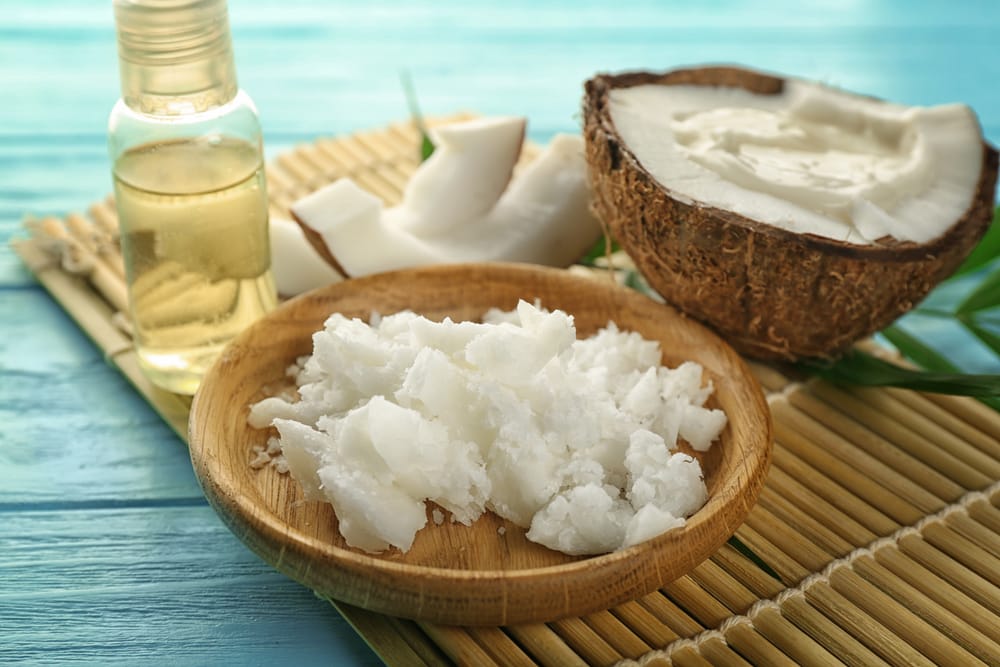
While oil pulling lacks the backing of extensive research and studies, it is backed up by a large range of anecdotal support. While few and far between there are some sources that all agree that oil pulling is a safe and natural oral remedy, but there is debate on how effective the practice is.
More research is therefore needed to get the backing of the scientific community. There are plenty of people however that swear by the practice and how effect it can be. There are hundreds, if not thousands of online testimonials of people who have used and rate the effectiveness of the treatment. The benefits include helping with skin conditions, arthritis, asthma, headaches, hormone imbalances, infections, liver problems and more.
Whether or not pulling oil has a particular definitive use remains to be seen, however it is true that infection can enter the bloodstream via the mouth, and therefore using essentials oils that have an antibacterial properties can definitely help with oral hygiene and can therefore have definite benefits.
Incorporating Essential Oils
All you need to do is swish between 1 – 2 tablespoons of the coconut or sesame oil and 1 drop of an essential oil (or blend) in your mouth for 10 – 20 minutes. Easy peasy!
Add 1 drop of clove, lemon or orange essential oil to 1 tablespoon of coconut oil for an effective, natural mouthwash.
Does it Really Work?
A research study conducted by the department of pediatric dentistry in India found that oil pulling every day for just 10 days reduced gingivitis in participants, as well as their overall plaque levels.
A further study showed that oil pulling was equally as effective as chlorhexidine mouthwash at reducing odors and microbes in the mouth.
As well as being backed by scientific research, there are countless online testimonials of people who have experienced whiter teeth, fresher breath and overall improved health from oil pulling regularly.
Buying Essential oils
There are dozens of companies selling essential oils online, so the choices seem endless. However, not all companies are equal. It’s important to find a company that offers pure, therapy-grade essential oils with no adulteration. Below we have outlined some of the best companies on the market today.
Young Living
This company was established in 1993 and has remained a favourite among consumers. They’re well-known for their meticulous quality control all the way from the plantation of the seed, through to distilling.
Not many companies have control over the entire creation process of essential oils, which allows this company to have more stringent quality standards, giving them an edge over competitors.
Quality Control
This company guarantees a Therapeutic Grade standard, which preserves the integrity and potency of natural essential oils.
They control their product right from the very botanical seeds; cultivating, harvesting and distilling many of their essential oils right on their very own farms across the world. This gives Young Living the unique ability to verify their quality standards at every step of the process.
Price Range
This is one of the more expensive companies. Their single oils start at $8 and range all the way to $610 for their white angelica essential oil. However, the higher price tag reflects the high quality this company provides.
You can buy YoungLiving Essential oils through their website here. Or directly on Amazon here.
DoTerra
DōTERRA was founded in 2008. According to their website, they “strive to bring a new standard of therapeutic-grade essential oils to the world”. They offer a huge selection of essential oils as well as their own proprietary blends. As well as essential oils, they also offer a range of health foods and supplements.
Quality Control
Every batch of dōTERRA essential oils is subject to the CPTG Certified Pure Therapeutic Grade® quality protocol, ensuring potency, purity, and consistency batch to batch.
dōTERRA sources their essential oils from growers across the globe. They use a distillation process of low-heat steam distillation or compression for select essential oils.
Price range
Single oils start from $13.33, which makes this company one of the most expensive. However, they do offer extremely high-quality oils and only source the best raw materials.
You can buy doTERRA essential oils through Amazon here.
Eden’s Garden
Eden’s Garden sell 100% therapeutic-grade essential oils and rotate their stock every two weeks for wholesomeness. The oils are carefully stored at a specific temperature with control light to ensure that the therapeutic properties of the products are maintained.
This is another great company for beginners looking to try out essential oils. Their site is easy to navigate and they’ve got a lot of easy to understand information about their oils and uses.
Quality Control
The essential oil products are 100% pure, therapy-grade. They don’t contain any additional bases, fillers, or additives. While not all of their oils are certified organic, they do have some certified organic oils available. If organic is important to you, look out for the correct “certified organic” label.
Price Range
Eden’s garden is a more affordable option. Their single oils begin from just $4.95 and range to $199.95 for the rarer oils. This makes them perfect for trying out different oils to find ones that suit you.
You can buy Eden’s Garden essential oils on Amazon here, or direct on their website here.
Rocky Mountain
Rocky Mountain Oils was founded in 2004. They have since teamed up with Native American Nutritionals (NAN) to create one MLM company.
Their oils are obtained from dedicated, small farms which grow their herbs organically. Hence, all of the oils delivered by the company are 100% therapeutic-grade and organic. They have over 100 single oils and more than 75 blends to choose from.
Quality Control
Rocky Mountain Oils are certified therapeutic grade as well as certified organic. They provide GC/MS test results on the website for every essential oil. They employ a third-party laboratory to conduct rigorous testing and random spot checks. They also have a proprietary S.A.A.F.E Promise™, which stands for Satisfaction, Authentic, Analysis, Free of Adulterants, and Effective and Pure.
Price Range
Rocky Mountain Oils are on the more expensive end of the scale, with single oils starting at $8.50. However, for the quality offered, Rocky Mountain Oils is competitive in their pricing. Their certified organic oils will cost more than their non-organic counterparts, but even so, they are cheaper than companies like Young Living, making them more accessible to anyone looking for high quality.
You can buy Rocky Mountain Essential Oils on Amazon here, or directly on their website here.
FAQs
What is the best essential oil?
This is like asking how long a piece of string is. There is no one essential oil that’s best. It all depends on what you want to use the oil for. All essential oils have unique uses and benefits, so the best one will depend on your specific needs. Once you’ve figured out exactly what you’d like to use the oil for (e.g. better sleep, reduce depression, overall health etc.) you can research the best oil for those particular effects.
What are the best to start with?
If you’re a complete beginner, it’s always best to start with an essential oil that’s considered safe to use by the whole family. This way, you can try them out in the knowledge that they won’t lead to any adverse side effects. Chamomile essential oil is considered one of the safest and best essential oils for beginners, and is safe to use with children, so this one is a great place to start.
Which ones should I buy?
If you’re unsure which oil to begin with, most reputable companies offer beginner sets with a variety of oils to try out. These are a great place to start since you can try out multiple oils and find out which ones work best for you.
What should I look for in essential oils?
When buying essential oils, aim for high-quality, therapeutic grade, organic oils where possible. These are the highest quality oils with no impurities. Also, make sure the website you buy them from has their testing methods and results published. This will confirm they’re completely pure.
How do I use essential oils?
Essential oils can be used in a aromatically in a diffuser, topically in a cream or serum, or ingested in small, safe quantities. The most safe and effective method of use differs depending on the oil, so make sure you do your research before use. For example, some oils are not safe to ingest and must be diluted before topical use.
What is a carrier oil?
A carrier oil is used to dilute essential oils to make them safe to use topically or even to ingest. Popular carrier oils include coconut, castor or olive oil.
Can I consume essential oils?
Many essential oils are safe to consume, however, others are not safe to ingest. Make sure you research the oil thoroughly to make sure it’s safe to consume and if so, the quantity specified.
How often should I use them?
This really depends on what you are suffering from and how bad the symptoms are. Using certian oils daily to make the house smell nicer are unlikely to have any ill effects. However whereas some will recommend that you use daily, others should only be used to treat symptoms when they occur. It is possible to overdo it on the essential oil front and lead to irritation, or reaction to certain oils.
Can they be used on children?
Yes is the short answer but with anything, caution should be exercised. Children are often more sensitive to even natural products and in fact some essential oils can be toxic to children if taken in large doses (like wintergreen) or small doses internally (like melaleuca). It is advisable to treat essential oils like medicine. Keep them away from children and only let an adult administer a reasonable dose. By trying to teach them about essential oils, their benefits and the reason for being careful with them can be a great way not to scare them away from the natural benefits of essential oils.
Which are safe for pregnancy?
Being pregnant can make you more sensitive to things including essential oils. While you do not need to stop using essential oils, proceeding with caution is again advisable.
Here are some extra precautionary steps that can be taken when using essential oils during pregnancy:
- Take extra caution during the first trimester – The first three months, even the first three weeks, are a precious time of rapid development for your baby. Even herbs, foods and essential oils considered safe for pregnancy should be used with caution during this time.
- Dilute – Rather than applying an oil directly to your body, dilute it first in a carrier oil. You can then apply it to the problem area. Or, you can also apply oils to the bottoms of your feet.
- Use aromatherapy – Diffusing oils aromatically is a safe way to use essential oils during pregnancy. Most concern is over the topical and internal use of essential oils.

According to Everything Essential, you should avoid the following oils:
- Basil
- Cassia
- Cinnamon bark
- Clary Sage
- Lemongrass
- Rosemary
- Thyme
- Vetiver
- Wintergreen
- White Fir
Can I use them when breastfeeding?
Yes! Using essential oils during breastfeeding can be done, just with some extra precautions.
The following list, from Everything Essential, notes which essential oils are considered safe to use while breastfeeding:
- Bergamot
- Clary Sage
- Grapefruit
- Geranium
- Lavender
- Lemon
- Melaleuca
- Patchouli
- Roman Chamomile
- Sandalwood
- Wild Orange
- Ylang Ylang
*Peppermint can decrease milk supply but can be used sparingly.
What precautions should I take when using them?
Though essential oils are a natural remedy, they are very potent. Use precaution:
- Do a skin test before using essential oils topically.
- In case of skin irritation, stop using the oil. If you’re using it neat, try diluting it before using it again.
- Keep them out of your eyes.
- Use only high quality oils that you know are pure.
- If in doubt, dilute.
- Always consult a physician if you’re unsure.
- Listen to your body. If you don’t feel right after using an essential oil, stop using it, or if you feel like you need to use a certain one, try it. Your body is a great guide.
How much should I use?
This again depends on the essential oil being used. However, as a general guide, you’ll usually only need 1-2 drops of a pure essential oil to get the benefits. They are extremely potent and a little goes a long way.
What else do I need to use essential oils?
- Diffuser – This is a special machine that allows you to diffuse essential oils in the air for aromatherapy.
- Empty capsules – Can be used to take oils internally.
- Carrier oil – A good carrier oil, like coconut oil, is essential for diluting your oils.
- Guidebook – I highly recommend buying a guide for using essential oils.