
One thing that we have found to be true as we have traveled through Europe is that there are bakeries on just about every corner. Delicious bakeries with tons of delicious, buttery treats and salty snacks. We have discovered so many unique treats that we had no idea even existed and its been wonderful. One thing that has been lacking, however, is whole grains.
Even before I became a dietitian I loved whole grains; I love the nutty, chewy texture. I also love the variety, there are so many different kinds of brown and black rice, quinoa of a variety of colors, wheat berries, black and pearled barleys, farro, spelt, emmer, oats, bulgur wheat and so many more. While many of these varieties are similar they all have their own unique textures, flavors and properties. Not to mention a variety of health benefits. They are one of the biggest sources of B vitamins in the diet. B vitamins are vital for healthy metabolism of carbohydrates, fatty acids, protein, alcohol and are important coenzymes in many important reactions in the body. As you can see, B vitamins are pretty important! Unfortunately, processing* grains removes almost half of these nutrients. Whole grains are also an excellent source of soluble and insoluble fiber. Fiber absorbs water which means you feel fuller faster and it takes a long time to digest which helps you to feel full longer and helps prevent insulin levels from spiking. This is important not only for watching your weight, but also for helping to prevent type II diabetes. Studies have shown that replacing refined grains with whole grains helps to decrease the risk of type II diabetes. Whole grains also lower total cholesterol, LDL (“bad”) cholesterol and triglycerides. All of these help to lower the risk of heart disease. These tiny grains may come in a small package, but they sure do pack a big punch!
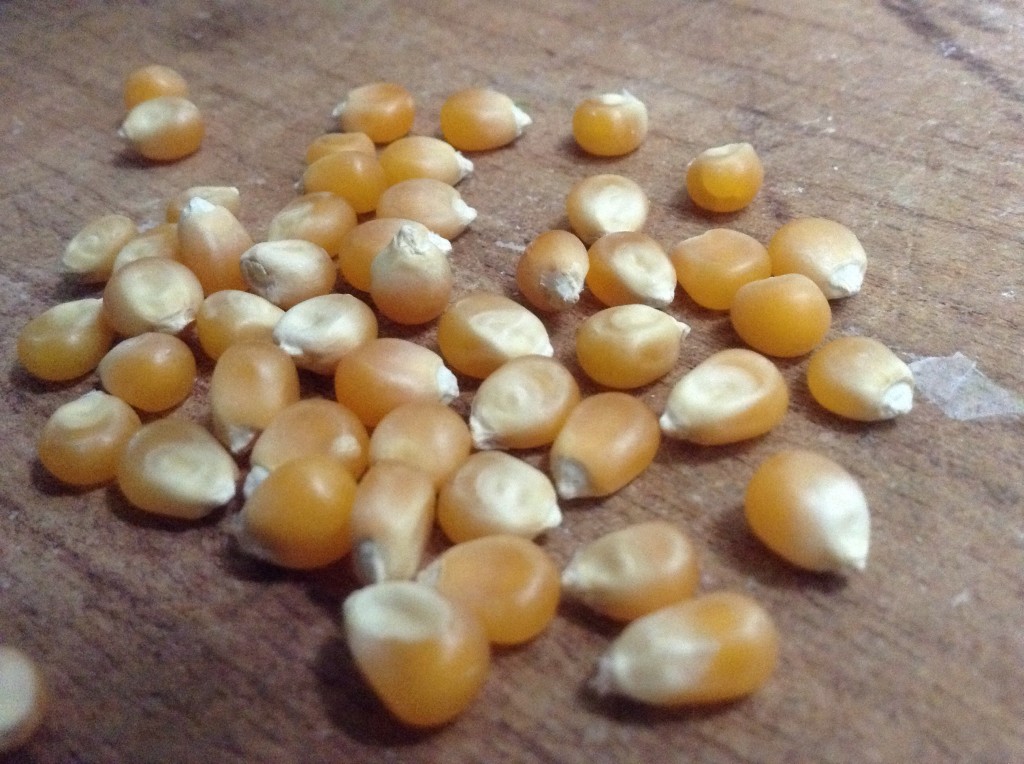
Whole grains are not only incredibly healthy but, despite their reputation, also so easy to work with- some require a little more forethought (they need to be soaked overnight) but most just need a ratio of 1 grain:2 liquid (water or broth). Bring to a boil, reduce to a simmer and cook until you like the texture. There are general cooking time guidelines, but the important thing is that you, the person who will ultimately consume the grains, are happy with their texture. They keep well and are versatile- make a big batch of a grains one day and use them all week in dishes that are savory, sweet, sides or main dishes.
We are staying at a small hostel in Brasov, Romania with a small but very well equipped kitchen, including a gas stove (I am in heaven- gas stoves are truly one of life’s little blessings). I made a big batch of barley and used it in several different dishes over the course of our three day stay. Barley is especially high in beta-glucan, a form of fiber that is especially effective at reducing blood glucose and prevent insulin spikes. Barley has also been shown to be effective at reducing blood pressure and LDL (“bad”) cholesterol. Check out three different ways to use the same pot of barley:
Honeyed Barley with Walnuts & Lemon
Barley & Summer Veggie Stuffed Bell Peppers
Mediterranean Barley Lettuce Wraps
*Processing or refining grains refers to stripping a grain of some or all of its bran and the germ and leaving mostly the endosperm. The endosperm is essentially a high glycemic index starch and offers few of the vitamins and minerals that a whole grain offers. Processed grains include white flour, white rice, pearled barley, cream of wheat, and others. When you are looking for whole grains make sure the ingredient list has “100% Whole ____ (Wheat, Barley, Rye etc.)” listed as the first ingredient on the label.