
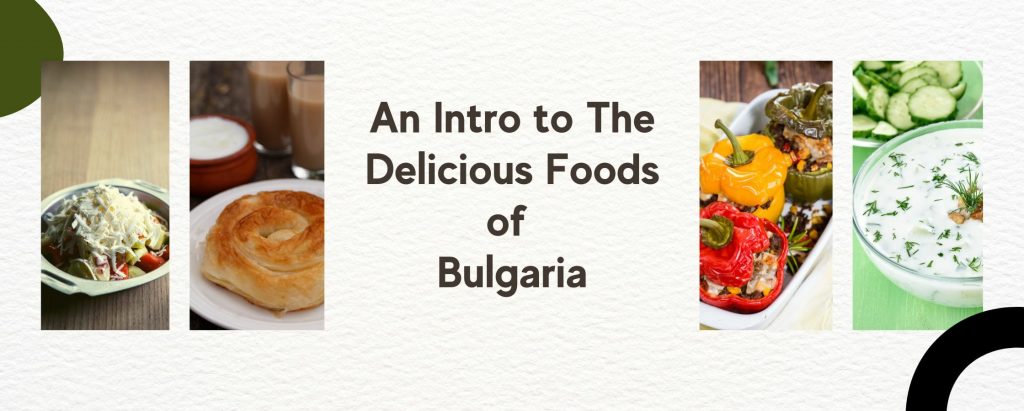
I admit, when I first arrived in Bulgaria I had no idea what to expect, but I soon fell in love with their food! Homey, simple and very flavorful and mild traditional Bulgarian food is an unknown gem! Bulgarian cuisine takes a lot of its influence from the other Balkan countries surrounding it (although, to be fair, it also influences its neighbors as well- a food culture ebb and flow). It also pulls influences in from Mediterranean, Slavic and Oriental cuisines, according to Bulgarian food blogger, Darina.
She goes on to say “Dishes are usually spiced up with onions, garlic, black pepper, paprika and summer savoury. The most characteristic products used in Bulgarian cuisine are the Bulgarian yogurt and white brine cheese. Bread is consumed with almost every dish.” Food is often prepared in one pot, making for hearty, flavorful meals.
For example, kapama. Prepared in a large ceramic dish, this dish is made by layering sauerkraut, spices (like pepper and paprika), different meats (like chicken or rabbit), and rice. The dish is then topped with a sausage and baked on low heat for several hours until the meat is falling apart and the flavors have completely mingled which basically makes it amazing.
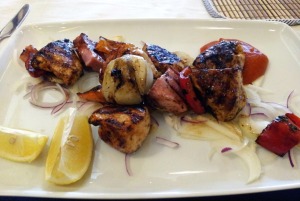
Traditional foods vary a bit from region to region (visiting Bansko? Try the chomlek or kapama. Visiting the Rhodope mountains? Try Patatnik) but there are many traditional dishes that can be found all over the country. The most common types of meat we found to be chicken, pork (especially in the form of sausage) and occasionally, beef. Meats tended to be grilled and showed up in a variety of forms from whole muscle pieces grilled on a skewer with vegetables to seasoned meatballs and grilled ground meat, seasoned, shaped and formed onto a skewer (kebapche).
Looking for Something a bit Healthier?
Traditional Bulgarian cuisine is full of delicious salads from the ever present Shopska salad to the Harvest salad with roasted peppers. Salads are traditionally eaten before a meal (usually with Rakia, the traditional liquor). Salads are a great way to prevent overeating- just watch out for all the crumbled white cheese on top. Bulgarian food is very fresh and the vegetables are uncommonly good. Bulgarian food is also quite vegetable heavy and mild peppers seem to be in just about everything. Finding something for the vegan or vegetarian is very possible and the options are varied and delicious- not just salads!
Options range from stuffed peppers to grape vine leaves stuffed with rice and spices. Bread is served with just about every meal, often in the form of buttered white flatbread- delicious, but definitely not a healthy option. Whole wheat bread was very difficult to find here but according to Darina, there is a bit of a resurgence of whole wheat cereals, so keep an out out for those at the grocery stores and breakfast table.
Must Try
Yogurt
made with a unique strain of bacteria, Lactobacillus bulgaricus, Bulgarian yogurt is creamy, not quite as thick as Greek or Turkish yogurt but has its own delicious, distinct tart flavor. It is used often in many dishes and salads.
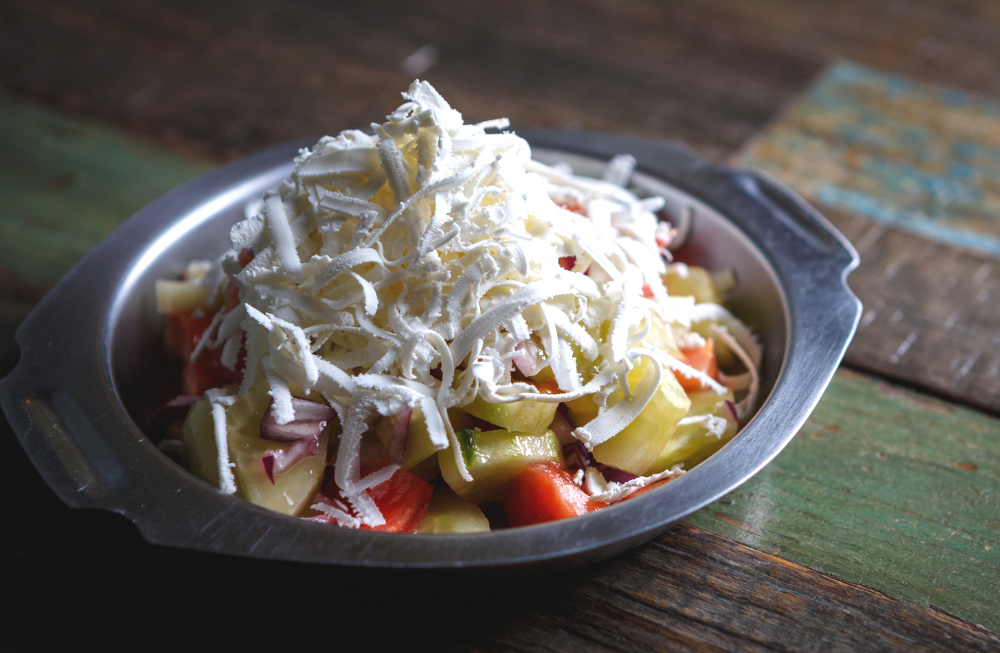
Shopska Salad
Tomatoes, cucumbers, onions, peppers, parsley and white cheese all drizzled with a light red wine and olive oil vinaigrette, this salad is both refreshing and filling.
Sirene Cheese
This white cheese is similar to feta, sharp and tangy. The Bulgarians are very proud of this cheese and it shows up on many foods, from Shopska salad to stuffed peppers and for good reason, its salty, tangy flavor goes well on just about everything!
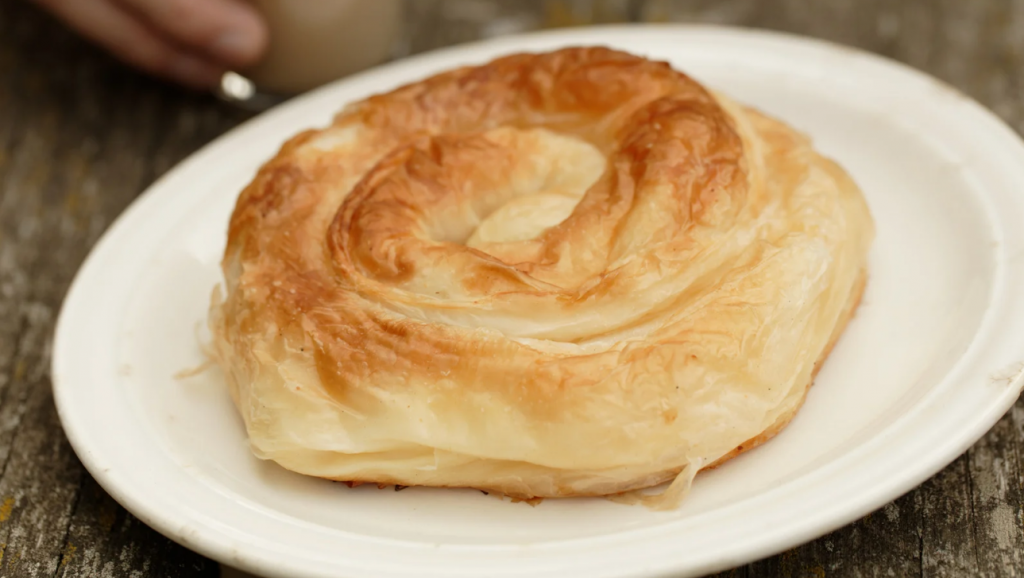
Banitsa
A delicious, flaky pastry, identifiable by its distinct round shape. Traditionally made with cheese and a thin, phyllo like dough, this pastry makes a great snack or breakfast. Other varieties include spinach and cheese, cabbage, mushroom or leek stuffed versions. Have a sweet tooth? Banitsa also comes in dessert varieties like apples and walnuts, but my favorite is pumpkin with cinnamon and sugar (try making your own with this version).
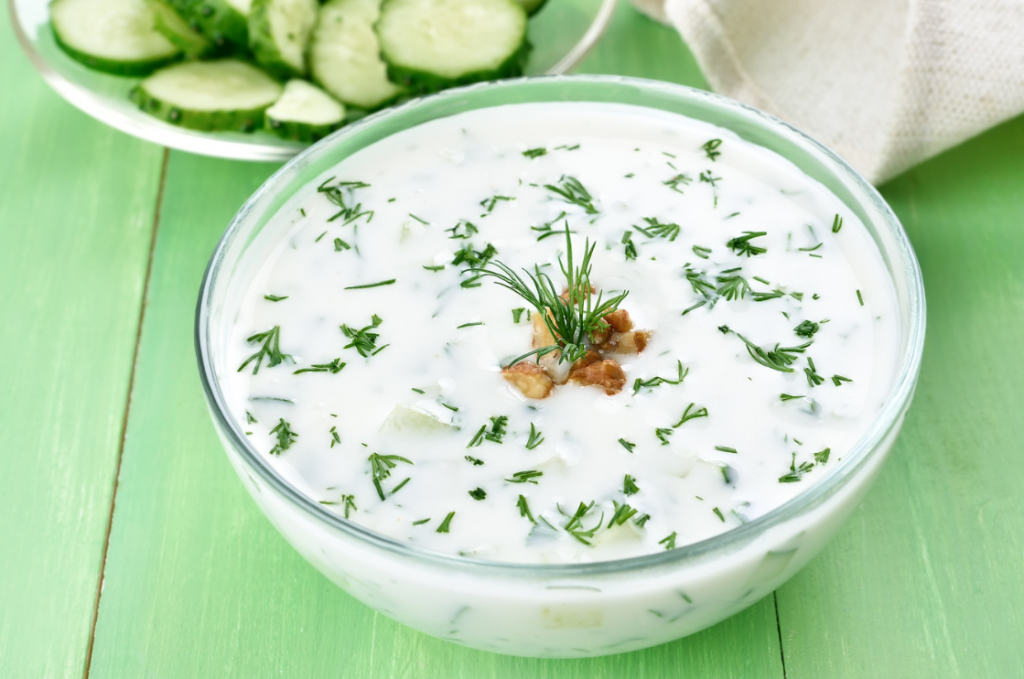
Tarator Soup
A cold, yogurt based soup with dill, cucumbers and garlic, cool and refreshing.
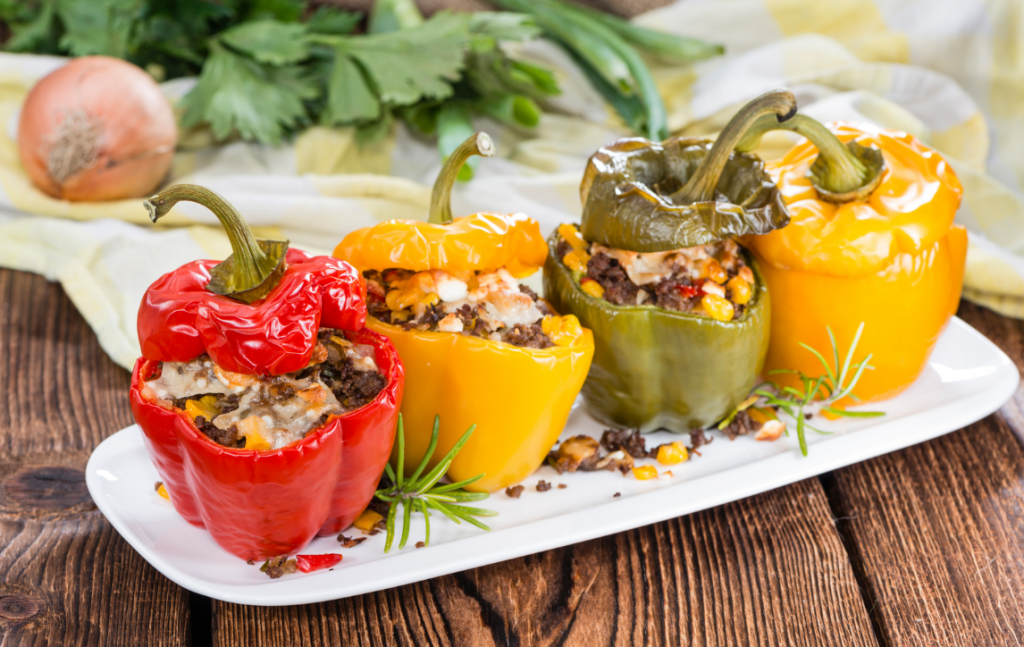
Stuffed Peppers
Stuffed with sirene cheese, tomatoes and herbs and ground meat then grilled or baked. I could eat these every day. Can’t make it to Bulgaria? Try the version here.
Moussaka
Different from the more well known Greek version, the Bulgarian version is just as good. No eggplant here, instead Bulgarian moussaka is potato based!
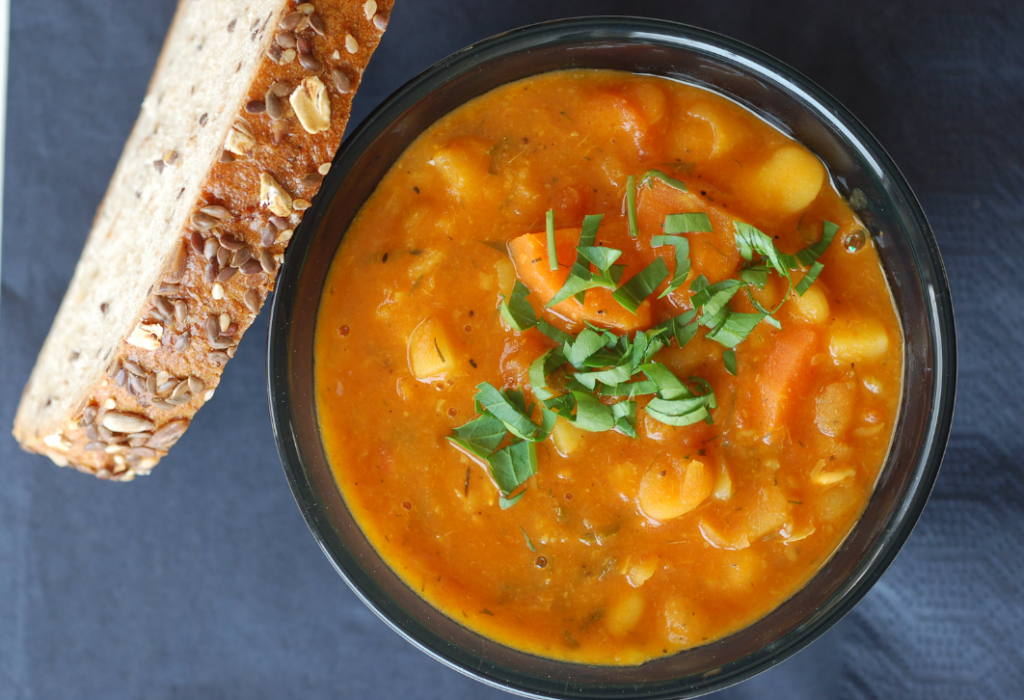
Bean Soup
A bit on the spicy side already, this broth based soup it is served with red pepper flakes on the side for added kick. A great vegetarian option (especially the Monastery bean soup), this can also include sausage for those who want it. One of my favorite go-to meals while we were there in the winter.
Shopping at a Local Market
Markets can be found in both the big cities and the small cities, the fruits and vegetables are unbelievably good here and there are fresh markets all over selling local produce at a great price- a great place to get a deal and pick up some healthier eats! In the summer we were able to pick up fresh figs and cups of berries served with toothpicks for eating on the go. In the winter we were able to pick up tons of peppers and winter squash. It was a great bargain, the fruits and veggies were exceptional and so fresh.
What to drink
Beer (Pivo)
Two local beers include Zagorka and Kamenitza both lagers, as is traditional in Bulgaria (both owned by larger breweries, Heineken and Molson-Coors, respectively). Boliarka is a locally owned and operated brewery.
Rakia
A traditional liquor, generally of the home brewed variety, but it can also be found commercially bottled and is available at restaurants and bars. It can be found in many different fruit flavors from apricot to plum and even a rose variety can be found. Try it with your salad before a meal!
Restaurants to Try
(obviously not an inclusive list, if you know of another great restaurant, let me know so I can include it!):
Sofia
Halbite
a quiet restaurant in a small courtyard, every thing we had on the menu was absolutely fantastic. We went twice in the 4 days we were there. There is a great outdoor space, an English menu and, unlike many places, there was no smoking inside the restaurant.
The Apartment
A great place to hang out and enjoy great food and drinks, it is comprised of several different rooms, all decorated in their own unique, splashy and comfy style. Don’t expect service here, instead head to the kitchen to see what seasonal, delicious dish they are cooking up- its guaranteed to be something delicious and organic. Definitely the place if you are looking for healthier fare (or unhealthy but responsibly sourced, organic desserts!) or a mind boggling array of fresh squeezed juices and blended iced teas! A little pricier, but still an excellent value and well worth it.
Bansko
Momini Dvori
Originally recommended to us by Darina, this centrally located restaurant was fantastic! Especially try the chomlek, which came highly recommended and lived up to the expectations!
Other notes
In Bulgaria, a nod of the head up and down indicates “no”, while a shake of the head right to left indicates “yes”
The tap water is safe to drink in most places, especially big cities like Sofia or resort areas like Bansko
Want to learn more? Check out the full interview with Bulgarian Food Blogger Darina to learn about Bulgarian food from a native!
Did I miss something? Let me know in the comments!